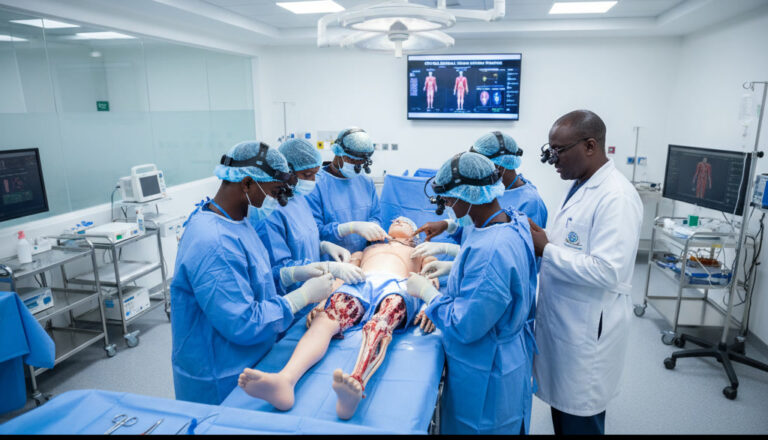
KCSE ENTRY GRADE: C MINUS OR A CERTIFICATE IN PERIOPERATIVE THEATRE TECHNOLOGY
EXAMINATION & CERTIFICATION BODY: TVET CDACC
PROFESSIONAL LICENSING BODY: POTTA
- Course Overview
The Diploma in Perioperative Theatre Technology is a professional program designed to equip learners with the knowledge and skills required to support surgical teams in preoperative, intraoperative, and postoperative care.
The course emphasizes aseptic techniques, surgical instrumentation, theatre organization, and patient safety, preparing graduates to perform effectively in operating theatres and related healthcare environments.
- Course Duration
- Duration: 2years (including clinical placements and hospital attachments)
- The course integrates theory, skills lab training, and supervised hospital practice in various surgical units. ONLINE, PART TIME, FULL TIME
- Course Objectives
By the end of the course, learners should be able to:
-
- Demonstrate understanding of anatomy, physiology, and pathology relevant to surgical procedures.
- Apply principles of asepsis, sterilization, and infection control.
- Prepare and maintain surgical instruments and equipment.
- Assist the surgical, anesthetic, and nursing teams during operations.
- Manage and maintain theatre records, supplies, and safety protocols.
- Uphold ethical and professional standards in perioperative practice.
- Course Structure
YEAR 1: Foundation and Basic Sciences
- Communication Skills
- Basic Computer Applications
- Human Anatomy and Physiology
- Medical Terminology
- Microbiology and Infection Control
- First Aid and Basic Life Support (BLS)
- Introduction to Perioperative Theatre Technology
- Medical Ethics and Professional Conduct
- Patient Care and Safety
- Basic Nursing Procedures
YEAR 2: Core Perioperative Studies
- Principles of Perioperative Care
- Sterilization and Disinfection Techniques
- Surgical Instruments and Equipment
- Theatre Design, Layout, and Management
- Surgical Pharmacology
- Anesthesia and Recovery Room Procedures
- Biomedical Waste Management
- Theatre Attire, Gowning, and Draping Procedures
- Clinical Placement I (Hospital/Theatre Rotation)
- Teaching and Learning Methods
- Classroom Lectures and Tutorials
- Laboratory and Simulation Practice
- Clinical Rotations in Operating Theatres
- Case Studies and Presentations
- Demonstrations and Workshops
- Research Projects and Seminars
- Assessment Methods
- Continuous Assessment Tests (CATs)
- Written Examinations
- Practical and Clinical Evaluations
- Logbook and Supervisor Reports
- Research Project and Oral Defense
- Career Opportunities
Graduates can work as:
- Theatre Technologists
- Surgical Assistants
- Anaesthetic Technicians
- CSSD (Central Sterile Supply Department) Officers
- Theatre Managers or Supervisors
Employment opportunities include:
- Public and Private Hospitals
- Surgical and Specialty Centres
- NGOs and Humanitarian Medical Missions
- Medical Training and Research Institutions