KCSE ENTRY GRADE
CERTIFICATE: DPLUS(+)
EXAMINATION BODY & CERTIFICATION: TVET CDACC
PROFESSIONAL BODY: POTTA
- Course Overview
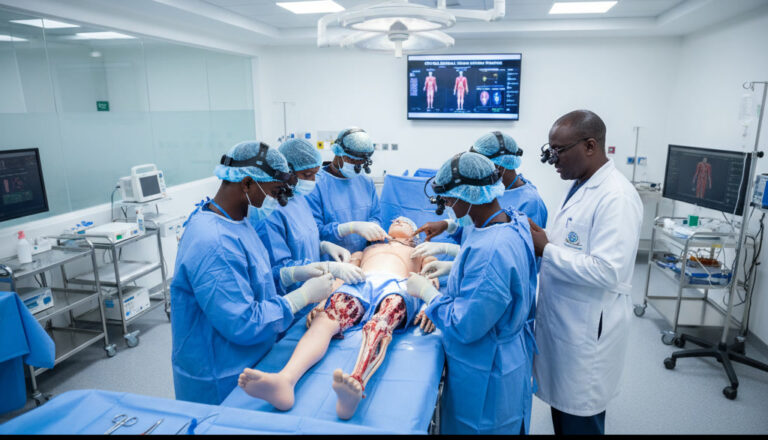
This course prepares students with the knowledge, skills, and professional ethics required to assist in surgical procedures, manage theatre equipment, maintain asepsis, and support the surgical team before, during, and after operations.
- Course Duration
- Certificate: 1 year (including theoretical instruction and practical/clinical training.
- Course Objectives
By the end of the course, learners should be able to:
-
- Demonstrate understanding of the anatomy, physiology, and pathology relevant to surgery.
- Apply principles of asepsis, sterilization, and infection control in theatre.
- Prepare and maintain surgical instruments and equipment.
- Assist surgeons, anesthetists, and nurses during operations.
- Manage and maintain theatre records and supplies.
- Ensure patient safety throughout the perioperative period.
- Course Structure
YEAR 1: Basic Foundation
- Communication Skills
- Basic Computer Applications
- Human Anatomy and Physiology
- Medical Terminology
- Microbiology and Infection Control
- First Aid and Basic Life Support (BLS)
- Introduction to Theatre Technology
- Medical Ethics and Professional Conduct
- Basic Nursing Procedures
- Patient Care and Safety
- Principles of Perioperative Care
- Sterilization and Disinfection Techniques
- Surgical Instruments and Equipment
- Anesthesia and Recovery Room Procedures
- Surgical Pharmacology
- Theatre Design, Layout, and Management
- Biomedical Waste Management
- Theatre Attire and Gowning Procedures
- Clinical Placement I (Hospital Attachment)
- Teaching Methods
- Lectures and demonstrations
- Simulations and laboratory practice
- Clinical rotations in operating theatres
- Case studies and presentations
- Group discussions and problem-solving exercises
- Assessment Methods
- Continuous Assessment Tests (CATs)
- Written Examinations
- Practical/Skills Evaluation
- Clinical Logbook and Supervisor Reports
- Research Project and Oral Defense
- Career Opportunities
Graduates can work as:
- Theatre Technicians/Assistants
- Surgical Technologists
- Anesthetic Technicians
- CSSD (Central Sterile Supply Department) Officers
- Theatre Managers or Supervisors
Employment areas include:
- Hospitals (Public and Private)
- Surgical Centers
- NGOs and Humanitarian Health Agencies
- Training and Research Institutions