KCSE ENTRY GRADE
CERTIFICATE: D
EXAMINATION BODY & CERTIFICATION: TVET CDACC
PROFESSIONAL BODY: MAPAKe(MORTICIANS &ALLIED PROFESSIONALS ASSOCIATION OF KENYA)
- Course Overview
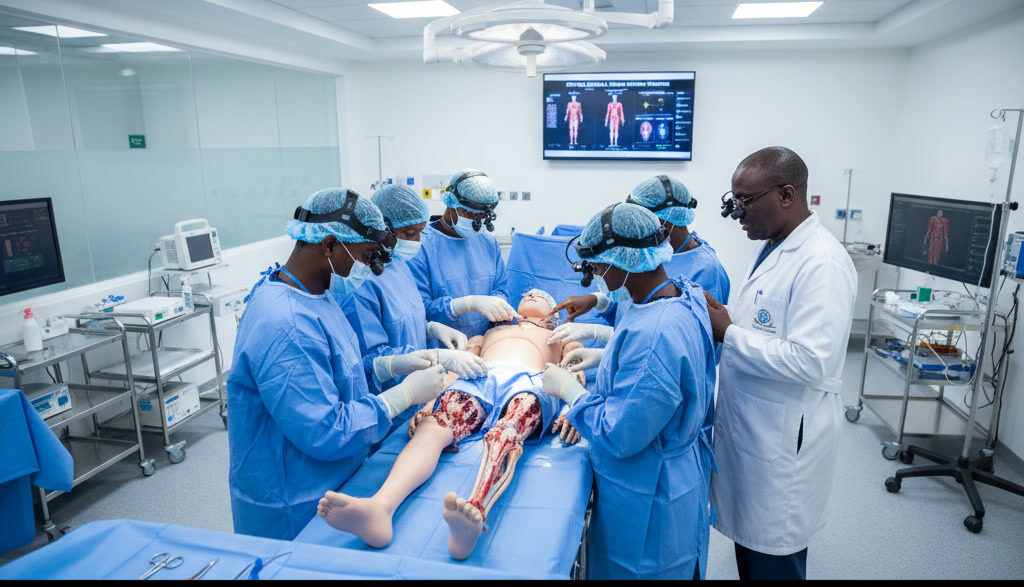
Mortuary Science is a professional program that trains students in the care, preservation, and management of human remains. The course focuses on embalming, postmortem procedures, grief counseling, and mortuary administration while upholding ethical and legal standards in death care practice.
- Course Duration
- Certificate: 1 year (inclusive of clinical/field practice)
Each academic year includes both theoretical and practical/clinical components.
- Course Objectives
By the end of the course, students should be able to:
-
- Apply scientific and technical skills in embalming and body preservation.
- Perform postmortem examinations under supervision.
- Demonstrate professionalism and ethical conduct in handling human remains.
- Manage mortuary facilities and equipment effectively.
- Provide emotional support to bereaved families.
- Observe public health and safety standards in mortuary operations.
- Course Structure
- Communication Skills
- Basic Computer Applications
- Human Anatomy and Physiology
- Medical Terminology
- Microbiology and Infection Control
- Introduction to Mortuary Science
- First Aid and Basic Life Support (BLS)
- Medical Ethics and Professional Conduct
- Psychology and Grief Counseling
- Public Health Principles
- Embalming Techniques and Fluids
- Postmortem Examination Procedures
- Pathology and Disease Processes
- Funeral Service Management
- Mortuary Equipment and Maintenance
- Legal and Ethical Issues in Death Care
- Death Certification and Documentation
- Occupational Health and Safety in Mortuary Practice
- Clinical Placement I (Hospital/Mortuary Attachment)
- Teaching and Learning Methods
- Lectures and Demonstrations
- Laboratory and Practical Sessions
- Case Studies and Simulations
- Field Visits (Funeral Homes, Forensic Units)
- Clinical and Industrial Attachment
- Group Discussions and Workshops
- Assessment Methods
- Continuous Assessment Tests (CATs)
- Written Examinations
- Practical and Laboratory Assessments
- Clinical Logbook Evaluations
- Research Project and Oral Defense
- Career Opportunities
Graduates can work as:
- Mortuary Technicians
- Embalmers
- Pathology Assistants
- Funeral Service Directors
- Forensic Mortuary Assistants
- Mortuary Managers or Supervisors
Employment opportunities exist in:
- Public and Private Hospitals
- Funeral Homes and Crematoriums
- Forensic and Pathology Laboratories
- Disaster Response Agencies
- Training and Research Institutions