KCSE MEAN GRADE : D MINUS(-) AND ABOVE
DURATION: 6 MONTHS
CLINICAL PRACTICUM (HANDS-ON TRAINING) 2 MONTHS OF SUPERVISED WORK
EXAMINING BODY & CERTIFICATION: TVET CDACC
This is the entry-level program for the HEALTH SERVICE SUPPORT.
At the end of the learning program, the learner will be able to practice BOTH LOCALLY AND INTERNATIONALLY.
- Course Overview
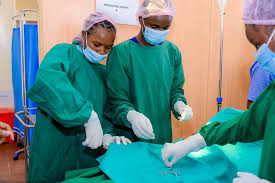
The Certificate in Caregiving program equips trainees with essential knowledge and hands-on skills to provide compassionate and professional care to patients, the elderly, and persons with special needs.
The program emphasizes holistic care, basic nursing procedures, communication, ethics, and safety — preparing learners to work in hospitals, nursing homes, rehabilitation centers, and home-based care settings.
- Course Duration
- Duration: 6 MONTHS
- Mode of Study: Full-time, ONLINE, PART TIME (classroom instruction, practical skills lab, and field attachments)
- Course Objectives
By the end of this course, the trainee should be able to:
-
- Demonstrate understanding of basic human anatomy, physiology, and hygiene.
- Provide personal and bedside care to patients and the elderly.
- Apply infection prevention and control measures.
- Demonstrate communication and interpersonal skills in caregiving.
- Provide emotional, physical, and social support to clients.
- Maintain a safe and clean environment for care recipients.
- Observe professional ethics and confidentiality in caregiving practice.
- Course Structure
- Introduction to Caregiving
- Communication Skills
- Basic Human Anatomy and Physiology
- Personal Hygiene and Grooming
- Nutrition and Feeding Techniques
- Infection Prevention and Control
- First Aid and Emergency Care
- Ethics and Professional Conduct
- Basic Computer Applications
- Bedside Nursing Procedures
- Mobility and Transfer Techniques
- Caring for the Elderly and Persons with Disabilities
- Mental Health and Emotional Support
- Home-Based Care
- Record Keeping and Documentation
- Safety and Environmental Hygiene
- Clinical Placement / Attachment
- Project Work and Practical Evaluation
- Teaching and Learning Methods
- Classroom Lectures and Demonstrations
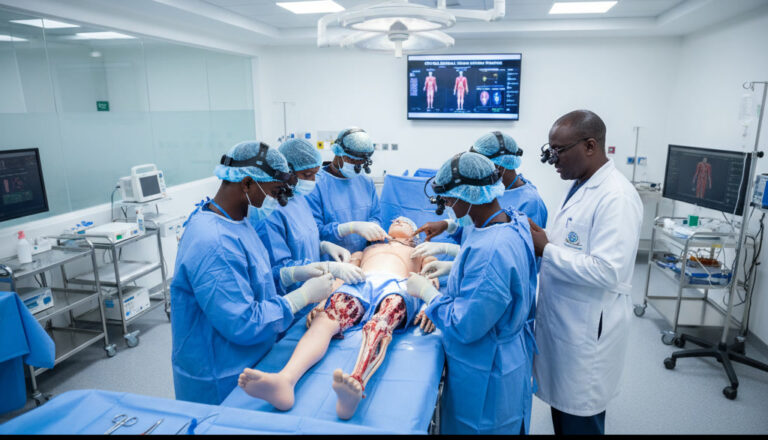
- Simulation and Laboratory Practice
- Field Visits and Community Outreach
- Supervised Clinical Attachments
- Group Discussions, Case Studies, and Role-Playing
- Assessment Methods
- Continuous Assessment Tests (CATs)
- Practical Skills Evaluations
- Written Examinations
- Logbook and Supervisor Assessments
- Final Competency Evaluation and Project Presentation
- Career Opportunities
Graduates can work as:
- Professional Caregivers
- Nursing Assistants
- Home-Based Care Providers
- Elderly and Disability Support Workers
- Community Health Aides
Employment Opportunities:
- Hospitals and Clinics
- Nursing Homes and Hospices
- Home Care Agencies
- Community Health Programs
- NGOs and Humanitarian Organizations